
Welcome to the ultimate Rajasthan Heritage Tour Guide 2026 — your complete resource for exploring India’s royal kingdom. Rajasthan does not compete for attention. Instead, It holds it. Across its horizon rise sandstone forts and marble palaces. Lakes mirror carved balconies. In the desert, entire cities turn gold at dusk. This is not simply a travel destination. It is a kingdom shaped by dynasties, guarded by warriors, and preserved in stone. For centuries, Rajput rulers defined the identity of this land. They built citadels on cliffs. They planned ceremonial capitals. They designed palaces where symmetry mattered as much as strength. Today, those structures still shape the skyline. Yet Rajasthan’s heritage is not frozen in time. Markets unfold beside palace gates. Temple bells echo through narrow lanes. Artisans continue block printing and miniature painting with steady hands. As a result, history here feels inhabited. If you are planning a Rajasthan heritage tour in 2026, begin with its great cities.
Jaipur – The Measured Elegance of a Planned Capital
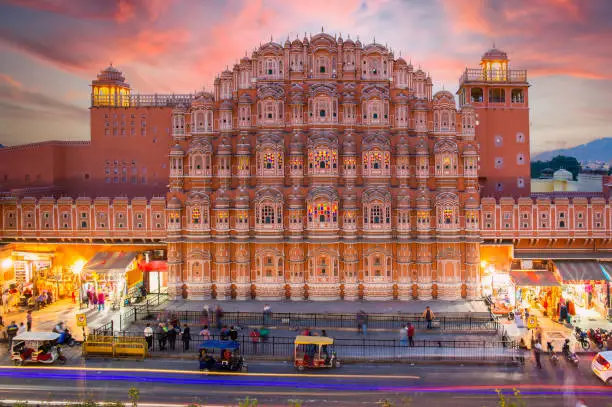
Founded in 1727, Jaipur reflects clarity and design. Wide boulevards divide the old city. Pink façades soften the desert sun. Above the plains rises Amber Fort. Its courtyards blend strength with detail. From the ramparts, the Aravalli hills fade into the horizon. In the heart of the city stands Hawa Mahal, a screen of stone and air. Nearby, City Palace Jaipur still preserves ceremonial halls within its gates. Because of its layout and accessibility, Jaipur offers a clear beginning to Rajasthan heritage travel. Best time to visit: October to March.
Jodhpur – Strength Carved from Rock
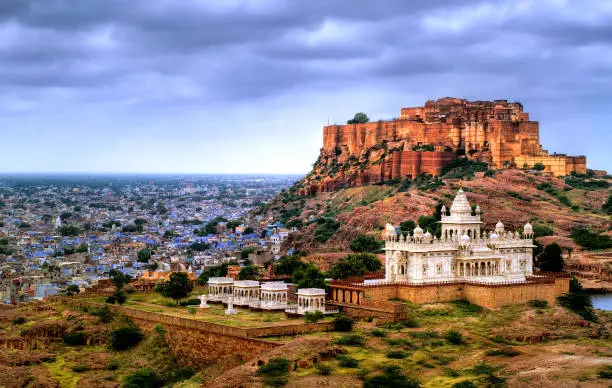
Jodhpur announces itself through Mehrangarh Fort. The fort does not sit on the hill; it grows from it. Its walls rise in quiet authority above the blue city below. The houses surrounding the fort wear indigo shades that soften the desert heat. Meanwhile, Umaid Bhawan Palace reflects a later chapter of royal life, where tradition met modern design. In contrast, Jodhpur feels direct. Powerful. Unapologetically historic. Best time to visit: October to February.
Udaipur – Palace on Water
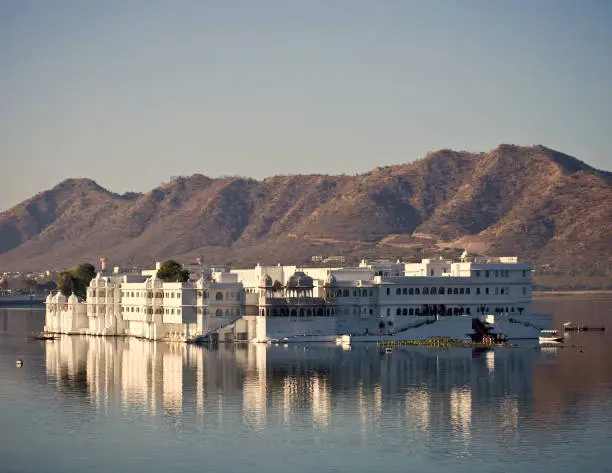
If Jaipur feels structured and Jodhpur feels resolute, By comparison, Udaipur feels composed. Set beside Lake Pichola, the grand City Palace Udaipur overlooks the water in layered marble and stone. At sunset, the lake turns silver. The palace reflects softly. Moreover, the light changes every hour. Across the water stands Jag Mandir, once a royal retreat. Its lakes shape the atmosphere. As a result, Udaipur invites stillness. Evenings unfold slowly here. Best time to visit: September to March.
Jaisalmer – The Living Desert Citadel
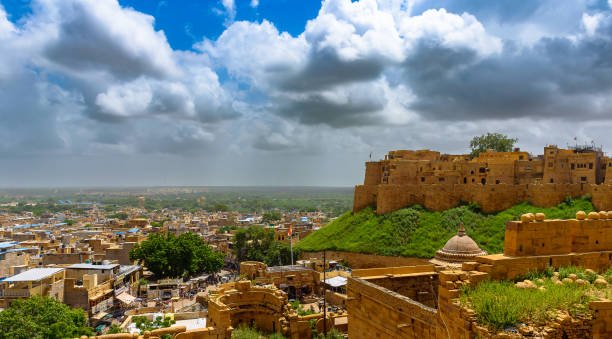
In the heart of the Thar Desert stands Jaisalmer Fort. Unlike most forts in India, this one still breathes with daily life. Homes, temples, and small shops remain inside its golden walls. As the sun lowers, sandstone glows in deep amber tones. Beyond the city, the Sam dunes stretch into open silence. Jaisalmer offers Rajasthan in its most elemental form — sand, stone, and sky. Best time to visit: November to February.
Pushkar – Sacred Calm in the Desert
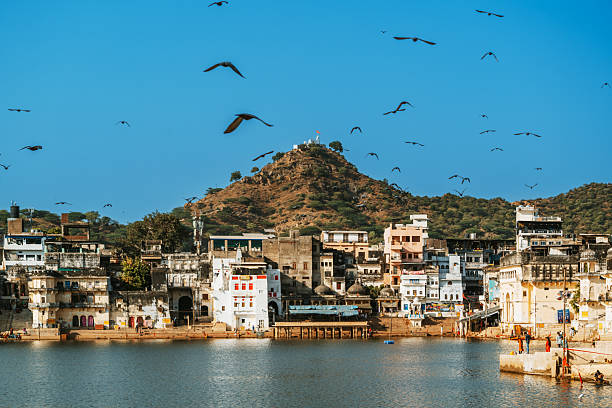
Set beside the holy Pushkar Lake, Pushkar feels quiet and contained. White temples surround the water. At sunrise, priests gather along the ghats while the desert air remains still. The town is home to the rare Brahma Temple Pushkar, one of the few dedicated to Lord Brahma. Because of this, Pushkar holds deep spiritual importance. Each year, the Pushkar Camel Fair brings colour and movement to the desert sands. However, beyond the festival, the town returns to its gentle rhythm. Pushkar offers a pause between Rajasthan’s grand forts and palaces — a place of reflection within a royal journey. Best time to visit: October to March.
Ranthambore – Where Wilderness Meets Legacy
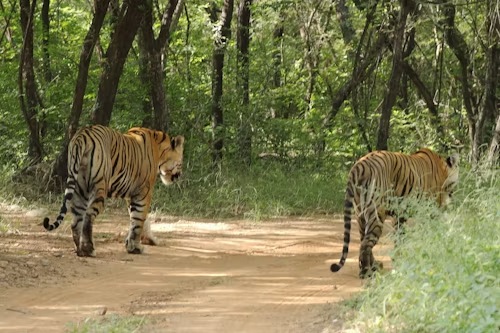
Ranthambore National Park introduces a different rhythm. Here, dry forests surround ancient ruins. Tigers move quietly through former hunting grounds. Within the park boundary stands the historic Ranthambore Fort. Its weathered walls overlook lakes and grasslands below. Nature and heritage coexist without conflict. Best time to visit: October to April.
Bikaner – Desert Grandeur Without Crowds
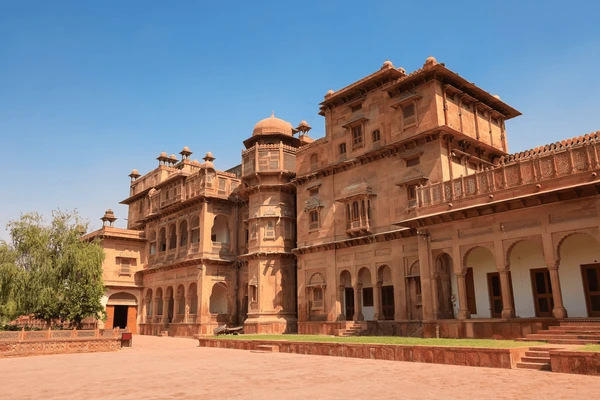
Less visited yet deeply impressive, Bikaner preserves its royal identity with restraint. Junagarh Fort rises from the desert plain rather than a hill. Its interiors reveal painted chambers and mirrored halls. Nearby, Karni Mata Temple reflects local devotion shaped by centuries of belief. Because fewer travellers pause here, Bikaner feels unhurried. Best time to visit: October to February.
Chittorgarh – Memory on a Grand Scale
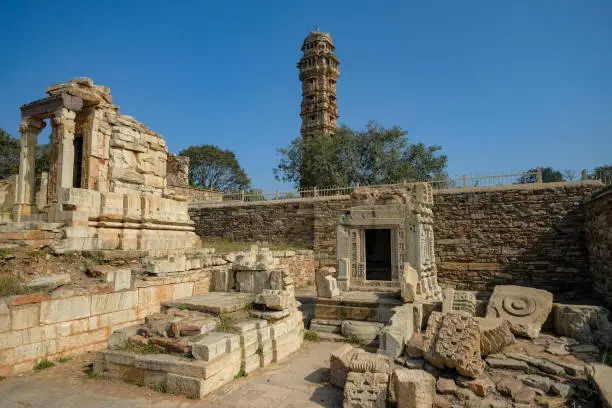
Chittorgarh Fort remains India’s largest fort complex. Its gates recall sieges and sacrifice. Its towers rise in honour of victory. Walking through its vast grounds requires time. The scale demands patience. Chittorgarh represents resilience — an essential chapter of Rajasthan heritage. Best time to visit: October to March.
Cuisine of Rajasthan – Sustained by the Desert
Rajasthan’s cuisine developed from necessity. Water remained scarce. Ingredients had to endure heat. As a result, dishes such as Dal Baati Churma, Laal Maas, and Gatte Ki Sabzi carry depth and warmth. Ghewar, delicate yet rich, reflects festive celebration. Meals here feel deliberate. Generous. Grounded in tradition.
Best Time to Visit Rajasthan
Winter offers the most comfortable climate. From October to March, days remain mild and evenings cool. Summer brings intense heat. However, fewer visitors travel during this period. Monsoon months introduce softer landscapes, particularly around Udaipur. A Curated Rajasthan Itinerary
7 Days – Jaipur → Jodhpur → Udaipur
See the full 7 day Jaipur → Jodhpur → Udaipur Here
10–14 Days Add Jaisalmer, Ranthambore, and Bikaner
Final Reflection
Rajasthan does not reveal everything at once. It asks for attention. For stillness. For time. Within its forts and palaces lie stories of ambition, devotion, and endurance. Yet beyond architecture, it is the atmosphere that lingers — the way light moves across carved stone, the echo inside quiet courtyards, the patience of desert horizons. Travel here not to collect monuments, but to understand legacy. Because in Rajasthan, heritage is not displayed. It is lived.