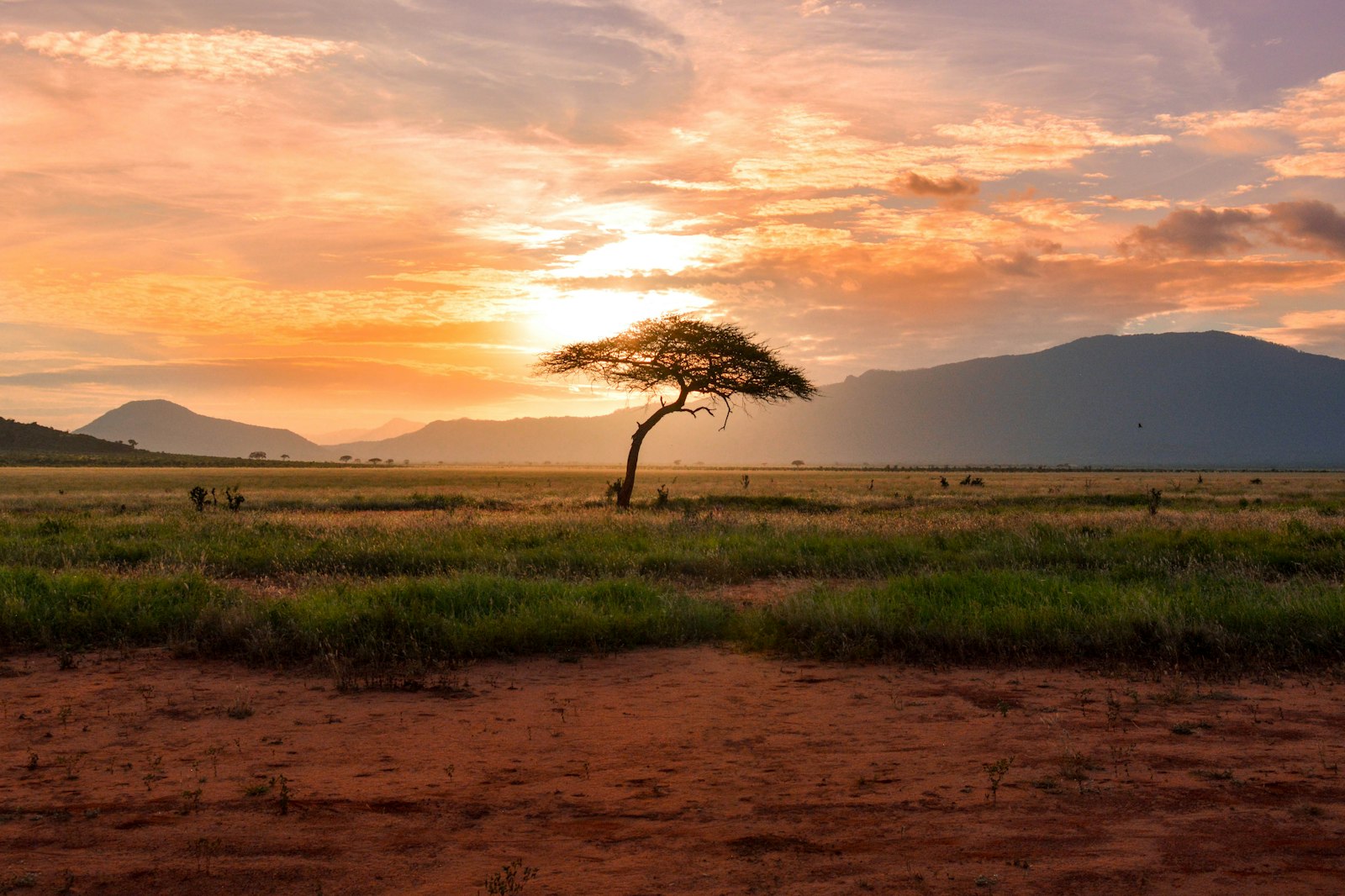
Namibia in 7 Days: Dunes, Desert Elephants & Etosha Waterholes
Climb the world's tallest sand dunes at dawn, stand among 900-year-old dead trees in Deadvlei, and watch lions drink at Etosha waterholes under the stars. The complete self-drive guide from $120/day.

Delhi · Visited: Kedarnath, Gangotri, Manali, Shimla, Rishikesh & more · January 2026 · 16 min read
Climbing the 325-metre sand dunes of Sossusvlei at dawn as orange and purple shadows race across the world's oldest desert — this is Namibia. Below you, in a white clay pan that has not held water for 900 years, the bleached skeletons of ancient camel thorn trees stand in perfect, eerie stillness. At night, more stars than anywhere else on Earth blaze from a sky with zero light pollution.
⚡ What Namibia Actually Is
Namibia is the world's least-densely populated country after Mongolia — 2.5 million people spread across 825,000 square kilometres of desert, savannah, and Atlantic coastline. The Namib Desert, which gives the country its name, is 55 to 80 million years old — the oldest desert on Earth. The sand dunes at Sossusvlei reach 325 metres, the tallest in the world, and the iron oxide in the sand turns them a deep burnt orange that photographs like another planet.
But Namibia is not just dunes. Etosha National Park holds one of Africa's highest concentrations of wildlife — lions, elephants, rhinos (both black and white), cheetahs, and leopards — all visible from self-drive game roads around the vast white Etosha Pan. The Skeleton Coast is a graveyard of shipwrecks along a fog-bound Atlantic shoreline. Fish River Canyon is the second-largest canyon on Earth after the Grand Canyon. And the Himba people in the remote north maintain a traditional pastoralist culture that has survived for centuries.
What makes Namibia unique in Africa is that you can do all of this yourself. The roads are well-maintained gravel, the infrastructure is excellent, crime is low, and a 4x4 rental from Windhoek opens the entire country. This is Africa's greatest self-drive destination — no guide required, no convoy needed, just you and the desert.
WDH Windhoek
Airport
May–Oct
Best Season
4x4 Essential
Self-Drive
$120/day
Budget From
🌡️ Best Time to Visit Namibia
May–Oct — Dry Season — Best Overall
Recommended
15–28°C days, cold nights (can drop to 0°C in the desert). Wildlife concentrates at waterholes making game viewing excellent. No rain, clear skies, and the best photography conditions. July–August is peak season with cooler temperatures. The ideal window for most travellers.
Mar–Apr — Late Wet Season — Green & Quiet
Good value
Still warm (25–32°C) but the rains are tapering off. The landscape is green, baby animals are everywhere, and migrant birds arrive in huge numbers. Fewer tourists and lower lodge prices. Etosha can be muddy but the pan sometimes holds water — flamingos gather in thousands.
Nov–Feb — Summer — Hot & Green
Experienced only
35–45°C in the Namib, 30–38°C in Etosha. Thunderstorms transform the desert — green grass, wildflowers, dramatic cloud formations. But the heat is punishing, wildlife disperses from waterholes, and outdoor activity between 10am and 4pm is miserable. Only for heat-tolerant travellers.
Dec–Jan — Peak Wet Season — Dramatic But Difficult
Not recommended for first-timers
Heavy rains in the north and central areas. Some gravel roads become impassable. Etosha's secondary roads may close. Sossusvlei can flood (the Tsauchab River occasionally reaches the vlei — a rare and spectacular event). Beautiful but logistically challenging for self-drive.
✈️ Getting to Namibia
Key detail: Namibia's main international airport is Hosea Kutako International Airport (WDH), located 45km east of Windhoek. Most international visitors arrive here and collect their rental 4x4 at the airport.
Direct flights to Windhoek
Most commonDirect flights from Johannesburg (2 hrs, South African Airways / Airlink), Addis Ababa (6 hrs, Ethiopian Airlines), Frankfurt (10 hrs, Condor / Eurowings Discover). From the US/UK, connect via Johannesburg or Addis Ababa. Budget $400–$900 return from Europe, $800–$1,400 from North America.
Overland from South Africa
For road-trippersDrive across from Cape Town (19 hrs via the N7/B1) or from Upington across the Orange River border at Noordoewer. The Trans-Kalahari Highway from Johannesburg to Windhoek is a popular 14-hour route. Border crossings are straightforward for most nationalities.
From Botswana / Zambia / Zimbabwe
Circuit routeEnter from Botswana via the Caprivi Strip (now Zambezi Region) at Mohembo, Ngoma, or Kasane border posts. From Zambia/Zimbabwe, transit through Botswana or fly via Johannesburg. The Caprivi Strip is a popular route for Southern Africa circuit travellers.
Internal charter flights
Luxury optionLuxury travellers can charter flights between Windhoek, Sossusvlei, Swakopmund, and Etosha — cutting 5-hour drives to 45-minute flights. Wilderness Air and FlyNamibia operate scheduled bush flights. Budget $200–$500 per sector.
🚗 Self-Drive Essentials
Namibia is Africa's premier self-drive destination. The roads are well-signposted, crime is low, and a 4x4 opens the entire country. But the distances are vast and the terrain is unforgiving — preparation is everything.
Book a 4x4 — not a sedan
The last 4km to Sossusvlei is sand-only (4x4 required). Etosha secondary roads, the Skeleton Coast, and most routes west of Windhoek need high clearance at minimum. Budget $60–$90/day from Asco Car Hire or Odyssey Rent a Car in Windhoek. A 2x2 sedan will get stuck within hours.
Never leave town without a full tank
Namibia has stretches of 200km+ without a fuel stop. The C14 between Sesriem and Swakopmund is notorious. Carry a 20-litre jerry can and fill up at every opportunity. Running out of fuel in the Namib is a rescue emergency, not a minor inconvenience.
Download offline maps
Cell signal disappears the moment you leave Windhoek. Download Maps.me or Google Maps offline data for all of Namibia before departing. Many roads are unmarked gravel. A dedicated Garmin GPS with Namibia maps is also worth renting from your car hire company.
Two spare tyres minimum
Namibia's gravel roads eat tyres. Sharp rocks, thorns, and corrugated surfaces cause punctures regularly. Always carry two full-size spares, a jack, and a basic tyre repair kit. Check tyre pressure every morning — lower pressure on gravel (1.8 bar) improves grip and reduces puncture risk.
📅 7-Day Namibia Itinerary
Each day card is expandable. This itinerary follows the classic Windhoek → Sossusvlei → Swakopmund → Etosha → Windhoek loop — the most popular self-drive circuit in Namibia, covering 2,000km of gravel and tar.
- ●Arrive at Hosea Kutako International Airport (WDH). Collect your pre-booked 4x4 rental — essential for Namibia. Budget option: Toyota HiLux or Land Cruiser from Asco Car Hire or Odyssey Rent a Car ($60–$90/day).
- ●Stop at a Spar or Checkers supermarket in Windhoek — stock up on food, water, and camping supplies. Namibia self-drive means self-catering on most nights. Buy at least 10 litres of water per person.
- ●Explore Windhoek city centre: Christuskirche (German Lutheran church built in 1910), the Alte Feste museum, and the Independence Memorial Museum ($4 entry) — a striking modernist building documenting Namibia's struggle for independence.
- ●Stay the night in Windhoek: Chameleon Backpackers ($15–$25/night) for budget travellers, or a guesthouse like Olive Grove ($50–$80/night) for mid-range comfort. The city is safe, compact, and well-organised.
- ●Pre-load your Maps.me offline maps for the entire country. Cell signal disappears the moment you leave Windhoek. Check your spare tyres, tyre jack, and fuel cans before departure tomorrow.
- ●Early start (7am). Drive south from Windhoek to Sesriem (~5 hours, 380km on the C19 gravel road). This drive itself is spectacular — red rock plains, oryx, springbok, and the landscape gradually turning from scrubland to pure desert.
- ●Stop at Solitaire — an impossibly remote petrol station and bakery in the middle of nothing. The apple pie here is famous across Namibia. The rusted hulks of abandoned cars outside are an iconic photo stop.
- ●Arrive Sesriem, the gateway to Sossusvlei. Camp at Sesriem Campsite (NAD 80/person park fee + camping fee) — basic ablutions but you wake up 15 minutes from Dune 45.
- ●Key: stay INSIDE the park gate (Sesriem campsite). If you camp outside, you lose 30–40 minutes of golden hour to gate queues at sunrise. The gates open at first light — every minute counts.
- ●Evening: walk to Sesriem Canyon (small gorge carved by the Tsauchab River, 30m deep) — free with park entry. Sunset from the canyon rim is dramatic and usually deserted.
- ●Prepare your kit for tomorrow's 4:30am alarm: headlamp, camera, 2 litres of water, snacks, sunscreen. You want to summit Dune 45 before the sun destroys the shadow lines.
- ●4:30am alarm. Drive through the park gate at sunrise (5:30–6am depending on season). Race to Dune 45 — the most climbed dune in the world, 170m high — and summit before the crowds and the heat arrive. The ridge walk at dawn is extraordinary.
- ●The view from the top: 300-degree panorama of orange dunes and flat plains stretching to the horizon. The shadow lines on the dunes only exist in the first hour of light — this is the photograph.
- ●Drive to the 2x4 car park (the last 4km to Sossusvlei requires either a 4x4 or the free park shuttle). Take the shuttle if your vehicle struggles in deep sand.
- ●DEADVLEI: a 1km walk from the Sossusvlei car park. Ancient camel thorn trees, dead for 900 years, standing in a bright white clay pan ringed by towering red dunes. One of the great landscapes on Earth. The trees haven't decomposed because the air is too dry.
- ●Spend 2–3 hours in Deadvlei. The light is extraordinary in the morning. By 11am the midday sun turns it into a furnace — evacuate before then. Temperatures in the clay pan can exceed 50°C.
- ●Return to camp, rest through the heat, and drive to sunset viewpoints in the afternoon. Star-gazing at Sesriem is among the best in the world — zero light pollution for hundreds of kilometres.
- ●Early start: drive from Sesriem to Swakopmund (~5 hours, 350km). Take the C14 through the Gaub and Kuiseb river canyons — stark, beautiful, and rarely driven. Watch for wild horses near Aus if you take the southern route.
- ●Stop at Welwitschia Drive to see welwitschia plants — Namibia's iconic living fossil, some over 1,500 years old. These extraordinary plants survive on fog moisture alone in the hyper-arid Namib.
- ●Arrive Swakopmund, a surreal German colonial beach town on the Skeleton Coast. Art Deco and Jugendstil architecture, German bakeries, and an Atlantic Ocean cold enough to make swimming impossible.
- ●Check in: Chameleon Backpackers ($20–$30/night) or a budget guesthouse ($40–$60). Mid-range: The Stiltz ($120–$180/night) — bungalows on stilts over the desert. Swakopmund is compact and walkable.
- ●Walk the Swakopmund waterfront and lighthouse area. Dinner at The Tug — a restaurant built on a restored tugboat, famous for fresh Namibian seafood ($15–$25/person).
- ●Browse the craft market for semi-precious stones, Namibian malachite jewellery, and ostrich-egg art. Namibia produces excellent gemstones at fair prices.
- ●Morning: drive 90 minutes north to Cape Cross Seal Colony. One of the largest Cape Fur Seal colonies in the world — 250,000 seals packed along the Skeleton Coast shoreline. The noise and smell are overwhelming. $10 entry.
- ●Back in Swakopmund: choose your adventure. Sandboarding on the coastal dunes ($30 — standing or lying down, no experience needed), quad biking through the dune fields ($50), or a desert ecology walk with a local guide ($30).
- ●Lunch at Cafe Anton or a local German bakery — try the Schwarzbrot bread and Namibian biltong (dried game meat). Swakopmund's German heritage is genuine and the baked goods are excellent.
- ●Afternoon: Kolmanskop ghost town day trip (NAD 100 entry, 1.5 hours south near Luderitz). A diamond-mining town abandoned in 1954, now slowly being reclaimed by the Namib desert — sand drifts through the rooms of Art Deco houses. One of the most photographed ghost towns on Earth.
- ●Evening: Swakopmund beach faces west. The sunsets are extraordinary — cold Atlantic mist rolling in as the sun drops behind the dune sea. Sundowner drinks on the waterfront.
- ●Dinner: Joe's Beerhouse is Windhoek's most famous restaurant, but Swakopmund has its own excellent options — try the Raft Restaurant on the lagoon or a braai (BBQ) at your campsite.
- ●Long drive day: Swakopmund to Etosha (5–6 hours, 420km via Omaruru and Outjo). A genuine Namibian road trip through changing landscapes — from coastal desert to savannah bushveld.
- ●Enter Etosha through Anderson Gate (south). Pick up your park permit at the gate: $8 per person per day plus NAD 170 per vehicle. The combined entry is excellent value for Africa's best self-drive safari.
- ●Etosha is unique: the 4,760km² Etosha Pan — a vast white salt pan visible from space — dominates the landscape. Animals concentrate at waterholes around the pan edge, making game viewing remarkably productive from your own vehicle.
- ●Camp at Okaukuejo Camp ($15–$20/person at NWR camps). Okaukuejo has a floodlit waterhole 50 metres from the camp fence that operates 24 hours — elephants, rhinos, and lions come to drink throughout the night.
- ●Afternoon game drive through the western sections. Look for lions at Okondeka, elephants at Ombika, and black rhino at Okaukuejo waterhole. Etosha is malaria-free in the dry season.
- ●Night: sit at the Okaukuejo waterhole until midnight. Watching a black rhino arrive to drink under the stars, illuminated by the floodlights, is one of Africa's great wildlife experiences.
- ●Full dawn game drive (6am–12pm). Etosha at dawn: the pan glows pink, lions are still active from the night, and cheetahs hunt across the open grassland fringing the pan.
- ●Must-see waterholes: Halali (famous for rhinos), Rietfontein (elephants in large herds), Gemsbokvlakte (oryx and springbok), and Klein Namutoni (giraffe, kudu, eland).
- ●Big Five in Etosha: lions, leopards (rare and mostly nocturnal), elephants, rhinos (both black and white — Etosha has the highest density of black rhino in the world), and buffalo (rare in the western sections).
- ●Midday: check out of camp. Drive south toward Windhoek (4 hours from Anderson Gate via the B1 highway).
- ●Stop at Okahandja for the Namibian curio and wood carving market — the best in the country, with items from across Southern Africa ($5–$50). Excellent for last-minute souvenirs.
- ●Return rental car at Windhoek airport or city depot. Evening flight home, or extend your trip south to Fish River Canyon (Africa's largest canyon, 160km long) or east to Botswana for the Okavango Delta.
Free · Personalised · 24hr Reply
Want this Namibia plan customised for your dates?
Tell us your group size, budget, and travel dates. We'll build a day-by-day plan around you — completely free.
No account · No credit card · Takes 2 minutes
🏜️ Key Sites & Attractions
The must-visit destinations across the 7-day circuit. Entry fees as of early 2026.
Sossusvlei & Deadvlei
The world's tallest sand dunes (up to 325m) and the iconic white clay pan of Deadvlei with its 900-year-old dead camel thorn trees. The defining landscape of Namibia. Arrive at sunrise — the shadow lines on the dunes only last until 9am. The last 4km requires a 4x4 or the free park shuttle.
Etosha National Park
One of Africa's great safari parks. The vast white Etosha Pan creates a unique ecosystem where animals concentrate at waterholes around the pan edge. Self-drive game viewing is productive and accessible. The floodlit waterholes at NWR camps operate 24 hours. Malaria-free in dry season.
Skeleton Coast
A fog-bound Atlantic coastline littered with shipwrecks, whale bones, and seal colonies. The name refers to the countless ships wrecked here by the treacherous currents and fog. Cape Cross Seal Colony ($10 entry) is the accessible highlight — 250,000 Cape Fur Seals.
Fish River Canyon
The second-largest canyon on Earth after the Grand Canyon — 160km long, up to 550m deep. The viewpoints at Hobas are spectacular at sunrise and sunset. The 5-day hiking trail along the canyon floor (May–September only) is one of Africa's great treks.
Swakopmund
A surreal German colonial town on the Atlantic coast. Art Deco architecture, German bakeries, adventure activities (sandboarding $30, quad biking $50, kayaking $60), and the base for Skeleton Coast exploration. The best food town in Namibia.
Kolmanskop Ghost Town
An abandoned diamond-mining town near Luderitz, slowly being reclaimed by the Namib desert. Sand pours through the doors and windows of once-grand Art Deco houses. One of the most photographed ghost towns on Earth. Guided tours run twice daily.
Himba Villages (Kaokoveld)
The Himba people in Namibia's remote northwest maintain a traditional semi-nomadic pastoralist culture. Visiting an authentic Himba village through a responsible guide is one of Namibia's most unique cultural experiences. Always visit with a local guide who has an existing relationship with the community.
Namibia — Dunes, Desert & Wildlife
From the world's oldest desert to Africa's best self-drive safari.
📸
Sossusvlei Sand Dunes
Sossusvlei Sand Dunes
The towering orange dunes of Sossusvlei at dawn — iron-oxide sand turning crimson in the first light.
💰 Budget Breakdown
Namibia is more affordable than most people expect for Africa. The main costs are the 4x4 rental ($60–$90/day) and fuel. Accommodation ranges from $15 camping to $1,200/night at luxury fly-in lodges. Self-catering keeps food costs very low.
| Category | Budget | Mid-Range | Luxury |
|---|---|---|---|
| 🏨 Accommodation | $15–$35/night | $80–$180/night | $400–$1,200/night |
| 🍽 Food & Drink | $15–$25/day | $30–$60/day | $80–$150/day |
| 🚗 4x4 Rental + Fuel | $60–$90/day | $80–$120/day | $200–$500/day |
| 🦁 Park Entries & Activities | $20–$50/day | $50–$120/day | $100–$300/day |
| TOTAL (per person/day) | ~$120/day | ~$250/day | ~$500+/day |
💚 Budget (~$120/day)
Camp at NWR sites and Sesriem ($15–$35/night), self-cater from supermarkets, rent a basic 4x4. This is completely doable and how most backpackers experience Namibia. The camping infrastructure is excellent.
🌟 Mid-Range (~$250/day)
Stay in lodges and guesthouses ($80–$180/night), eat at restaurants, add guided activities. Mushara Bush Camp near Etosha and The Stiltz in Swakopmund are excellent mid-range options.
💎 Luxury (~$500+/day)
Fly-in lodges like Little Kulala at Sossusvlei ($800–$1,200/night all-inclusive), private game drives, hot air balloon flights, and charter transfers between destinations. World-class safari luxury.
Get the free travel guide
+ weekly destination tips
Download the Rajasthan 7-Day Guide instantly — day-by-day itinerary, real budgets, local food spots & packing list. Plus weekly guides from 2,400+ travellers' favourite destinations.
No spam, ever. Unsubscribe with one click.
🏨 Where to Stay in Namibia
Namibia's accommodation ranges from world-class luxury safari lodges to excellent government-run NWR campsites. The key decision is camping vs. lodges — both work beautifully for the self-drive circuit.
Little Kulala (Sossusvlei)
Ultra-luxury fly-in lodge · Wilderness Safaris
Eleven climate-controlled desert suites with private plunge pools, rooftop star beds, and exclusive access to Sossusvlei and Deadvlei before the park gates open. The benchmark for luxury in the Namib. Hot air balloon flights and private dune walks included.
Mushara Bush Camp (Etosha)
Mid-range bush camp · Von Lindequist Gate
Tented bush camp on the eastern boundary of Etosha National Park. Canvas-and-thatch tents, excellent food, guided game drives available, and a genuine bush atmosphere without the luxury price tag. The sweet spot for Etosha accommodation.
Chameleon Backpackers (Windhoek)
Budget hostel · Windhoek city centre
Windhoek's best-known backpacker hostel. Clean dorms and private rooms, a pool, a bar, and a travel desk that books 4x4 rentals and Namibia circuits. The natural starting point for budget self-drive trips. Walking distance to Joe's Beerhouse.
NWR Rest Camps (Etosha)
Government camps · Inside Etosha NP
Namibia Wildlife Resorts operates Okaukuejo, Halali, and Namutoni camps inside Etosha. Each has a floodlit waterhole, a restaurant, a pool, and camping or bungalow accommodation. Staying inside the park means you're at the waterhole at midnight when the rhinos arrive.
🍽️ Where to Eat in Namibia
Namibia's food scene reflects its German colonial heritage and African traditions. Game meat (kudu, oryx, springbok) is exceptional, the seafood in Swakopmund is world-class thanks to the Benguela Current, and the German bakeries are genuinely excellent.
Joe's Beerhouse (Windhoek)
Iconic game meat restaurant · Windhoek
Windhoek's most famous restaurant — a sprawling German beer hall atmosphere serving kudu steak, oryx fillet, crocodile, springbok carpaccio, and Namibian craft beer. The game meat platter ($25–$40/person) is the definitive Namibian dining experience. Book ahead in high season.
The Tug (Swakopmund)
Seafood restaurant · On a restored tugboat
Built on an actual tugboat moored at the Swakopmund waterfront. Fresh Namibian rock lobster, Walvis Bay oysters, kingklip, and the catch of the day. The setting is unique — Atlantic waves crashing against the hull while you eat. $15–$25/person for a full seafood meal.
Cafe Anton (Swakopmund)
German bakery-cafe · Swakopmund centre
Authentic German bakery serving Schwarzbrot, apple strudel, pretzels, and proper European coffee. Swakopmund's German heritage is most tangible in its bakeries — the recipes were brought by settlers over a century ago and haven't changed. Breakfast here is $8–$12.
NWR Camp Restaurants (Etosha)
Park camp dining · Inside Etosha
The restaurants at Okaukuejo, Halali, and Namutoni serve solid Namibian food — braai (BBQ) with kudu boerewors sausage, pap (maize porridge), and Windhoek Lager. Not gourmet, but satisfying after a full day's game driving. Self-catering braai facilities at all camps are excellent for cooking your own game meat.
Where to Stay in Namibia
Verified prices · Instant booking
Little Kulala (Sossusvlei)
Ultra-luxury · Wilderness Safaris fly-in lodge
Mushara Bush Camp (Etosha)
Mid-range tented camp · Eastern Etosha
The Stiltz (Swakopmund)
Boutique bungalows on stilts · Coastal
Chameleon Backpackers (Windhoek)
Budget hostel · City centre
Affiliate links — we earn a small commission at no extra cost to you. Helps keep our guides free.
Things to Do in Namibia
Tours & experiences · Instant confirmation
Sossusvlei Sunrise Guided Tour
Must doSwakopmund Sandboarding Adventure
IconicEtosha Full-Day Safari Drive
Walvis Bay Kayaking with Dolphins
Affiliate links — we earn a small commission at no extra cost to you.
💡 Pro Tips for Namibia
The Dune 45 sunrise is non-negotiable
Sossusvlei is visited by thousands of tourists a year but the vast majority arrive after 9am and see a washed-out, shadowless landscape. If you arrive for sunrise and summit Dune 45 before 7am, you may have the entire ridge to yourself. The orange and purple shadow lines that make Namibia famous only exist in the first hour of light.
Stay inside Etosha at night — waterhole magic
Etosha's NWR rest camps all have floodlit waterholes within the camp perimeter. Sitting at the waterhole from 9pm to midnight costs nothing and often produces more dramatic wildlife sightings than a full day's game driving. Black rhino at Okaukuejo is the main event — they arrive after dark.
Download offline maps before leaving Windhoek
Cell signal in most of Namibia is non-existent. Download Maps.me or Google Maps offline data for the entire country before leaving Windhoek. The gravel roads require reliable navigation — a wrong turn can add 100km to your journey. A Garmin GPS with Namibia maps is also worth renting.
Swakopmund is the best food town in Namibia
The Benguela Current makes the Namib coast one of the world's most productive fishing grounds. Fresh Namibian rock lobster, Walvis Bay oysters, and kingklip are all superb. The German bakeries produce excellent Schwarzbrot and pastries from century-old imported recipes.
Carry 10 litres of water per person
The Namib Desert can reach 50°C in summer and even in the dry season daytime temperatures hit 35°C. Dehydration happens faster than you expect — especially at altitude on the dunes. Carry 10 litres per person in the vehicle and at least 2 litres when hiking. Water is scarce between towns.
Fill up at every fuel station
Namibia's distances are enormous. The C14 between Sesriem and Swakopmund has 200km stretches with no fuel. Always leave any town or camp with a full tank plus a 20-litre jerry can. Running out of fuel in the Namib is a genuine rescue emergency — it can take 24+ hours for help to arrive.
📸 Been to Namibia?
Share your photos and get featured in this guide with full credit. Your real photos help thousands of travellers plan better trips.
❓ Frequently Asked Questions
Plan your Namibia trip
You Might Also Like


Questions & Comments
Been there? Planning a trip? Drop it below — we reply to everything.
Have you visited this destination?
Any tips you'd add to this guide?
Questions before your trip?
Want a personalised itinerary?
We'll build your day-by-day plan in 24 hours — free.