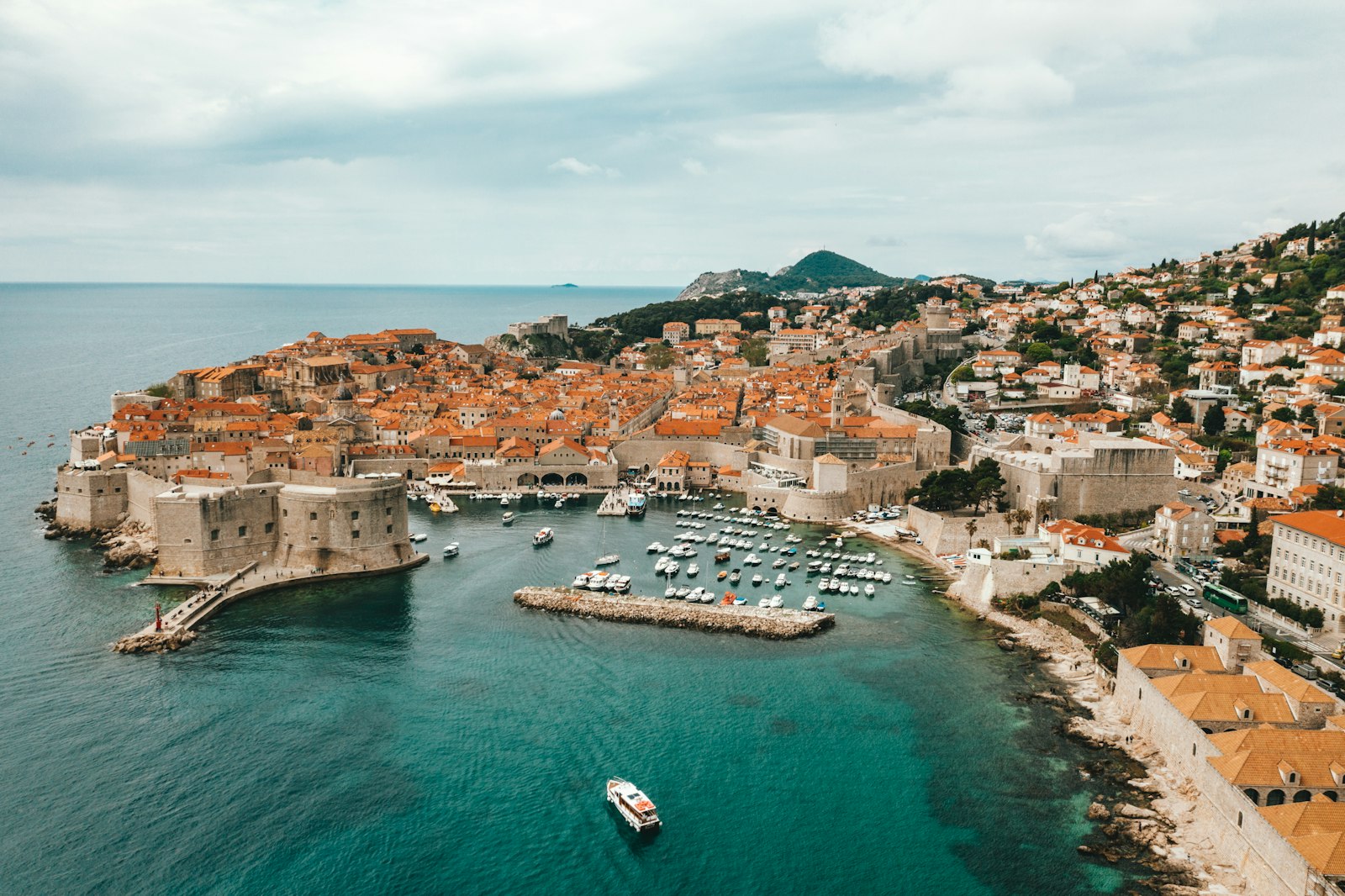
Belgrade in 3 Days: Fortress, Splavovi & the Balkans' Most Alive City
A fortress rebuilt 38 times, river-boat clubs that don't open until 1am, rakija before hello, and a budget from $30/day. Europe's most underrated capital, complete guide.
Delhi · Visited: Kedarnath, Gangotri, Manali, Shimla, Rishikesh & more · January 2026 · 13 min read
Belgrade is the city that has been destroyed and rebuilt 38 times, that sits at the meeting of two great rivers, that gave the world its wildest nightlife, its cheapest good wine, and its most generous hospitality. It is extraordinarily affordable, it is unlike anything else in Europe, and almost nobody goes there — which is exactly why you should.
⚡ What Belgrade Actually Is
Belgrade (Beograd in Serbian — literally "White City") is one of the oldest continuously inhabited cities in Europe, with settlements dating back more than 7,000 years. The strategic location at the confluence of the Sava and Danube rivers made it the most fought-over city on the continent: Celtic, Roman, Byzantine, Bulgarian, Hungarian, Ottoman, Habsburg, and Yugoslav — every major power in European history has held it, lost it, and often demolished it. The result is a city that has built and rebuilt its identity so many times that it has become something almost impossible to categorise.
It is not a museum city. There are no perfectly preserved medieval streets, no UNESCO old towns with amber lighting and velvet ropes. What Belgrade has instead is a raw, unapologetic energy — wide boulevards, enormous brutalist apartment blocks standing next to Austro-Hungarian facades, Kalemegdan Fortress rising over the rivers like an 8th-century sentinel, the vast unfinished golden domes of St Sava Temple, and the splavovi: a fleet of floating river-boat clubs moored along the Sava that represent one of the strangest and most extraordinary nightlife cultures in the world.
And it is very, very affordable. Budget travellers regularly report comfortable days on $30–40 including accommodation, food, entry fees, and a couple of drinks. Even mid-range travel in Belgrade costs roughly half what the same experience would cost in Prague or Vienna. This is a genuinely rare thing in modern Europe: a major capital city where your money goes far.
BEG
Airport
Apr–Oct
Best Season
38 times
Fortress rebuilt
$30/day
Budget From
🌡️ Best Time to Visit Belgrade
Apr–Jun — Spring — Ideal
Recommended
18–28°C, outdoor terraces open across the city, the splavovi season begins in earnest. May is perfect: warm enough for Ada Ciganlija beach, not too crowded, and EXIT Festival preparations give the city extra energy. This is the best window for first-time visitors.
Jul–Aug — Summer — Peak Season
Busiest season
28–38°C, Ada Ciganlija beach at full capacity, outdoor bars everywhere, and Belgrade's famous summer festivals including EXIT (Novi Sad, July). The city is at maximum energy but accommodation prices rise. Still very affordable by European standards.
Sep–Oct — Autumn — Golden Season
Best overall
15–25°C, the summer crowds thin, the terraces remain open through October, and the autumn light on Kalemegdan is exceptional. September is arguably the best single month to visit: good weather, manageable crowds, and the city's cultural season in full swing.
Nov–Mar — Winter — Cosy Kafana Season
Budget season
0–10°C, grey and cold, but Belgrade's kafana (traditional taverna) culture is at its most atmospheric. The splavovi largely close, but the indoor club scene is active. Accommodation is cheapest in winter. Christmas markets and Orthodox Christmas (January 7) add character.
✈️ Getting to Belgrade
Key detail: Belgrade's airport is Nikola Tesla Airport (BEG), 18km from the city centre. Serbia uses the Serbian Dinar (RSD) — not euros. €1 ≈ 117 RSD. Withdraw dinars from ATMs at the airport or in the city.
Fly into BEG (Nikola Tesla Airport)
Main gatewayDirect flights from London, Paris, Frankfurt, Amsterdam, Vienna, Istanbul, and most European hubs. Air Serbia is the national carrier with good regional connections. From the airport: taxi to centre (agree price before — around 2,500–3,000 RSD / ~$25), or take the BEG Bus (line A1, 300 RSD, 30 mins) to Republic Square.
From India — via Istanbul or Vienna
Indian travellersNo direct flights from India. Best connections: Turkish Airlines via Istanbul (often the best value, 12–16 hrs total), Austrian Airlines via Vienna, or Air India via Frankfurt. Turkish Airlines via Istanbul typically offers the best price-to-convenience ratio for Indian travellers.
By bus from regional Balkans cities
Regional travelExcellent bus connections to Sarajevo (5 hrs, €15–20), Sofia (5 hrs, €12–18), Skopje (4.5 hrs, €10–15), and Zagreb (6 hrs, €15–25). All buses depart from BAS Bus Station (Beogradska Autobuska Stanica). Very comfortable FlixBus and local operators serve these routes.
Getting around Belgrade — tram system
Local transportBelgrade has an extensive tram network covering the centre, plus buses and trolleybuses. Single ticket: 89 RSD (~$0.75) from the driver, or buy a BusPlus card for cheaper fares. Taxis are metered and cheap — a 20-minute ride costs ~500–800 RSD ($4–7). Use Pink Taxi or Car:Go app to avoid overcharging. Walking is excellent in the compact city centre.
📅 3-Day Belgrade Itinerary
Three days covers Belgrade's essential highlights. Prices shown in both RSD and USD for reference. The itinerary is structured to give you the fortress in the morning, culture in the afternoon, and nights that go as late as you want.
- ●8:00am: Kalemegdan Fortress — free entry to the park and outer fortifications. Start at the Victor (Pobednik) statue at the confluence of the Sava and Danube: a 14-metre bronze figure of a naked warrior, raised in 1928, staring west toward former enemies. The view from the ramparts over both rivers at this hour is one of the finest urban vistas in Europe.
- ●Military Museum inside the fortress (400 RSD / $3.50) — 2,000 years of Belgrade's military history compressed into an impressive permanent collection. The outdoor display of tanks, artillery, and aircraft is free. Budget 45 minutes.
- ●10:30am: Walk Knez Mihailova Street — Belgrade's main pedestrian boulevard running south from the fortress toward Republic Square. Free, lined with 19th-century Austro-Hungarian facades, street musicians, and excellent people-watching. The architecture tells the story of Serbia's transition from Ottoman province to independent kingdom.
- ●12:30pm: Lunch on or near Knez Mihailova. Budget option: pljeskavica (Serbian mega-burger, 300–400g grilled meat in a lepinja flatbread with kajmak and ajvar) at a pljeskavičarnica — full meal 500–700 RSD ($4.50–6). One of the best things you will eat in Europe for this price.
- ●2:00pm: Skadarlija bohemian quarter — a cobblestone street of preserved 19th-century kafanas (traditional tavernas) where Serbian poets, artists, and writers drank for 200 years. Đuro Jakšić, Serbia's most beloved poet, lived here. The two most famous kafanas — Tri Šešira (Three Hats) and Dva Jelena (Two Deer) — have live Serbian music in the evenings.
- ●5:00pm: Republic Square and the National Museum (400 RSD / $3.50 entry) — a recently renovated world-class collection in an impressive 1905 building. The Roman and medieval Serbian collections are exceptional. Allow 1.5 hours.
- ●Evening: Savamala arts district along the Sava — Belgrade's creative quarter, a transformed industrial area with galleries, concept stores, cocktail bars, and the street art that has made it internationally known. Start at Mikser House or a Dvorište (courtyard bar) for the first drink of the night.
- ●9:00am: Temple of Saint Sava — the largest Orthodox church in the Balkans and one of the largest in the world. Its exterior has been complete for decades but the interior gold mosaic programme, only begun in recent years, is still being installed: the largest mosaic cycle in the world when complete. Entry is free. Arrive early to see it without the tour groups.
- ●Walk through Vračar neighbourhood — the tree-lined residential streets around St Sava Temple offer a very different Belgrade from the tourist centre: local cafés (coffee 100–150 RSD / $0.85–1.30), family restaurants, pharmacies, and daily life. This is where a lot of Belgradians actually live.
- ●11:00am: Nikola Tesla Museum (600 RSD / $5.15) — small but genuinely excellent. Tesla's actual urn (containing his ashes) is here. The working Tesla coil demonstrations are theatrical and surprising. The archive of his original documents and patents is unmatched. English-language tours run at 10am, 12pm, and 4pm — aim for the guided tour.
- ●1:00pm: Lunch in Vračar or Dorćol. Ćevapi — small grilled minced-meat sausages served with lepinja bread, raw onion, ajvar, and kajmak — is Belgrade's most essential food. A portion of 10 pieces with bread: 600–800 RSD ($5.15–6.85). Try Ćevabdžinica Žar or any small local ćevabdžinica.
- ●3:00pm: Zemun — the former Austro-Hungarian town absorbed into greater Belgrade, with a completely different architectural character from the city centre. Take tram 15 or bus 706 (20 minutes, ~89 RSD). Climb Gardoš Tower (Millennium Tower) for panoramic views over the Danube. Walk the embankment along the river for the most atmospheric stretch of old Zemun.
- ●Evening rest: essential if you plan to experience the splavovi (river-boat clubs). Belgrade nightlife runs on its own timezone — restaurants fill from 9pm, bars from 10pm, clubs from midnight. Do not attempt a splav before 1am. Take a 2-hour rest in the late afternoon.
- ●Post-midnight: Splavovi on the Sava — the floating clubs moored along the riverbank between the bridges. Freestyler and Lasta are the most famous (turbo-folk and Serbian pop). Club 20/44 leans more techno and international. Cover charge: 500–1,000 RSD ($4.30–8.60). Drinks: 400–600 RSD per round. Go in a mixed group; dress well.
- ●10:00am (later start after the splavovi): Ada Ciganlija — a river island in the Sava connected to both banks by dams, forming an artificial lake popular with Belgradians for swimming, jogging, cycling, and picnicking. Take tram 9 or bus 53 from the centre (20 minutes, 89 RSD). Free beach entry. Rent a bicycle on the island (350–500 RSD/hour) and cycle the 4km lake perimeter.
- ●The Ada Ciganlija lake water is clean, the beaches are sandy, and on a summer weekend, you will see 100,000+ Belgradians here — it is genuinely one of the great urban beaches in Europe. Even outside peak summer, the waterfront path and the outdoor cafés make this a pleasant way to spend a morning.
- ●1:00pm: Return to the centre. Final walk up Knez Mihailova to Republic Square — pick up souvenirs at the craft stalls or browse the excellent bookshops. Belgrade has a strong literary culture and second-hand bookshops with English-language sections are scattered throughout the centre.
- ●2:30pm: Lunch at ? Kafana (Question Mark) — the oldest kafana in Belgrade, founded in 1823, so named because the Serbian Orthodox church objected to it being named after a saint. Traditional Serbian food: roasted lamb, prebranac (baked beans), and meza spreads. Mains 900–1,600 RSD ($7.70–13.70). The atmosphere is irreplaceable.
- ●5:00pm: Optional — rakija tasting. Ask your accommodation to recommend a local bar or restaurant with a curated Serbian rakija selection. Šljivovica (plum), kajsijevača (apricot), kruška (pear), and lozovača (grape) are the main varieties. A tasting flight: 1,200–2,000 RSD ($10.30–17.10). This is one of the genuine cultural experiences Belgrade offers.
- ●Final evening: Skadarlija for dinner with live music at Tri Šešira or Dva Jelena if you missed it on Day 1 — book ahead for evening. Or explore Dorćol neighbourhood for its lower-key bars and the neighbourhood feel that tourist-facing Savamala can sometimes lack.
Free · Personalised · 24hr Reply
Want this Belgrade plan customised for your dates?
Tell us your group size, budget, and travel dates. We'll build a day-by-day plan around you — completely free.
No account · No credit card · Takes 2 minutes
🏛️ Belgrade Landmark Guide
The essential sites in priority order. Most entry fees are in RSD; approximate USD given for reference at ~117 RSD per dollar.
Kalemegdan Fortress
The most important site in Belgrade — a fortress complex rebuilt across 38 destructions over 7,000 years of settlement. The Victor statue at the Danube-Sava confluence is the city's most iconic image. The outer walls, the rose garden, the chess tables, and the views over both rivers make the park one of the finest open spaces in any European capital. Spend at least 2 hours here.
Temple of Saint Sava
The largest Orthodox church in the Balkans, under construction since 1935 and still completing its interior gold mosaic cycle — the largest in the world when finished. The sheer scale of the building (dome rises 70m) and the partially complete gilded interior are extraordinary. Don't skip because it's 'unfinished' — visiting during the mosaic installation is witnessing one of the great ongoing art projects in Europe.
Nikola Tesla Museum
The definitive Tesla museum — his urn, his original patents, working demonstrations of his inventions including a dramatic Tesla coil display. Small but dense with content. The English guided tour is strongly recommended (included in ticket, runs at set times). One of the genuinely great science museums in Europe for its subject matter.
Skadarlija Bohemian Quarter
Belgrade's 'Montmartre' — a cobblestone street lined with 19th-century kafanas where Serbian artistic and literary culture was born. Best experienced in the evening with live music. Tri Šešira and Dva Jelena are the two landmark venues. The street itself is short (400m) but the atmosphere is uniquely Belgradian — particularly on a summer evening.
Zemun
The former Austro-Hungarian town within greater Belgrade — completely different from the Serbian Baroque of the city centre. Gardoš Tower on the hill above the Danube gives the best river views in the city. The riverfront embankment of Zemun is lined with fish restaurants. 20 minutes from the centre by tram — highly recommended, widely skipped by first-timers.
Ada Ciganlija
Belgrade's river beach — a Sava island turned artificial lake, with 4km of sandy beaches and a 7km cycling path. Open year-round but best May–September. On summer weekends, this is where Belgrade goes. Free entry, bicycle rental on site. One of the genuinely great urban outdoor spaces in Europe — matched only by its extraordinary affordability.
National Museum
Recently renovated and expanded, this is now a genuinely world-class museum: exceptional collections of Roman finds from the Danube region, medieval Serbian art, Baroque paintings, and an impressive archaeology wing. The building on Republic Square is itself a Beaux-Arts masterpiece. Budget 1.5–2 hours.
Belgrade — Fortress, Rivers & the Most Alive City in Europe
7,000 years of history, two great rivers, and a nightlife that doesn't sleep.
📸
Kalemegdan Fortress at Sunrise
Kalemegdan Fortress at Sunrise
The Victor statue and the fortress ramparts at the confluence of the Danube and Sava — the defining image of Belgrade.
💰 Belgrade Budget Breakdown
Belgrade is one of the most affordable major capitals in Europe — easily the best-value city in the Balkans. Budget travellers routinely manage $30/day including accommodation, three meals, entry fees, and drinks. Prices in RSD (Serbian Dinar) and approximate USD.
| Category | Budget (RSD) | Budget (USD) | Mid-Range (USD) |
|---|---|---|---|
| 🏨 Accommodation (per night) | 1,400–2,300 RSD | ~$12–20 | ~$40–65 |
| 🍽 Meals (full day) | 1,200–1,800 RSD | ~$10–15 | ~$25–40 |
| 🚇 Local transport (tram/bus) | 270–540 RSD | ~$2.30–4.60 | ~$8–15 (taxi) |
| 🏛️ Museums / entry fees | 600–1,200 RSD | ~$5–10 | ~$5–10 |
| 🍺 Drinks / nightlife | 600–1,200 RSD | ~$5–10 | ~$15–30 |
| TOTAL (per person, per day) | 4,070–7,040 RSD | ~$30–40 | ~$70–90 |
💚 Budget ($30–40/day)
Hostel dorm (€10–12/night), pljeskavica and ćevapi for meals (€4–5 each), tram transport, free sights + Tesla Museum. This is genuinely comfortable in Belgrade — the backpacker infrastructure is excellent and the food is outstanding at this price.
🌟 Mid-Range ($70–90/day)
3-star hotel in Stari Grad (€40–60/night), kafana dinners, taxis, and one guided tour. This buys you real comfort, private rooms, and the ability to eat well at Belgrade's better restaurants — still dramatically cheaper than equivalent Western European cities.
Get the free travel guide
+ weekly destination tips
Download the Rajasthan 7-Day Guide instantly — day-by-day itinerary, real budgets, local food spots & packing list. Plus weekly guides from 2,400+ travellers' favourite destinations.
No spam, ever. Unsubscribe with one click.
🏨 Where to Stay in Belgrade
Belgrade's neighbourhoods each have a different character. Stari Grad (Old Town) puts you closest to the fortress and Knez Mihailova; Savamala is for the arts and nightlife scene; Dorćol is the most authentically residential; near the bus station is cheapest but least convenient.
Stari Grad (Old Town)
Central · Best for sightseeing
Walking distance to Kalemegdan, Knez Mihailova, Skadarlija, and Republic Square. The most convenient neighbourhood for first-time visitors. Mix of boutique hotels, apartments, and a few excellent hostels. Busier and slightly more expensive than other areas but worth it for the ease of access.
Savamala Arts District
Creative · Nightlife-focused
Belgrade's most international neighbourhood — galleries, concept bars, street art, and proximity to the splavovi on the Sava. Good hostels and apartments. Noisy on weekend nights due to club proximity — bring earplugs or embrace it. 15-minute walk to Kalemegdan.
Dorćol
Residential · Authentic Belgrade
A residential neighbourhood north of the city centre, between Kalemegdan and the Danube embankment. Less tourist infrastructure, more local cafés and restaurants. A quieter, more genuine side of Belgrade. Excellent base for longer stays. Some of the best neighbourhood restaurants are here.
Near the Bus / Train Station
Budget · Less central
The area around Savski Venac (near the bus and train stations) has the cheapest accommodation in central Belgrade. Less atmospheric than the other neighbourhoods but functional and genuinely budget. 20-minute walk or one tram stop to Republic Square. Good for early departures.
🍖 Where to Eat in Belgrade
Serbian food is meat-heavy, generous, and extraordinarily affordable. The essential dishes: ćevapi (grilled minced-meat sausages), pljeskavica (grilled meat patty), pleskavica with sir (cheese inside), gibanica (layered cheese and egg pastry), and the all-important pita (savoury filled pastry from bakeries). Budget around €5–8 for a full meal.
Pljeskavičarnica Dorćol
Serbian grill · Dorćol
The benchmark pljeskavica in Belgrade — a 400g grilled meat patty in a thick lepinja flatbread with kajmak (clotted cream cheese) and ajvar (roasted pepper spread), served at a counter or small table. 550–750 RSD ($4.70–6.40). This is the dish that defines Serbian food culture and this place does it correctly. Open late — good post-nightlife food.
Kafana Dva Jelena
Traditional kafana · Skadarlija
One of the two landmark kafanas on Skadarlija street (Two Deer, established 1832). Traditional Serbian slow-cooked dishes — lamb under the sač (bell-shaped lid), sarma (stuffed cabbage), and meza spreads — with live Serbian music in the evenings. Mains 1,200–2,000 RSD ($10.25–17.10). Book for evening sittings.
? Kafana (Question Mark)
Historic kafana · Stari Grad
Belgrade's oldest kafana (1823), one block from Kalemegdan. The Serbian name ? was given because the Orthodox church objected to any saintly name. Traditional food — prebranac, pork and lamb dishes, excellent rakija selection — in a preserved 19th-century interior. Mains 900–1,600 RSD ($7.70–13.70). An essential Belgrade experience.
Rakia Bar
Rakija + food · Stari Grad
Curated selection of 100+ Serbian rakija varieties with food pairings. The meze-style food (ajvar, kajmak, cured meats, cheese boards) is excellent alongside the rakija tasting. A brilliant introduction to Serbian food culture for visitors. Prices moderate (meze boards 1,200–1,800 RSD / $10.25–15.40).
Pita Bakeries (everywhere)
Street food · City-wide
Belgrade's bakeries (pekara) serve warm pita at all hours: zeljanica (spinach and cheese), sirnica (cheese), krompiruša (potato), and burek (meat or cheese) — 100–200 RSD ($0.85–1.70) each. The morning ritual of stopping at a pekara for pita and jogurt (a thin drinking yogurt) is genuinely one of the great cheap-food experiences in Europe.
Where to Stay in Belgrade Serbia
Verified prices · Instant booking
Square Nine Hotel
Design boutique · Studentski Trg
Mama Shelter Belgrade
Lifestyle hotel · Stari Grad
Metropol Palace Hotel
Luxury heritage · Bulevar Kralja Aleksandra
Generator Belgrade
Design hostel · Savamala
Affiliate links — we earn a small commission at no extra cost to you. Helps keep our guides free.
Things to Do in Belgrade Serbia
Tours & experiences · Instant confirmation
Belgrade Walking Tour — Fortress & Old Town
Most popularBelgrade Food Tour — Kafanas & Serbian Cuisine
Best for foodiesNovi Sad & Petrovaradin Day Trip from Belgrade
Best day tripBelgrade Nightlife & Splavovi Tour
Affiliate links — we earn a small commission at no extra cost to you.
❌ Mistakes to Avoid in Belgrade
Arriving at the splavovi before 1am
Belgrade nightlife operates on its own timezone. Splavovi (river-boat clubs) and the best clubs do not start before 01:00 and peak between 02:00 and 06:00. If you arrive at a splav at 23:00, you will be alone and confused. Take an afternoon nap, eat a late dinner, have drinks in a kafana first, and aim for the water after midnight. This is not negotiable.
Not having Serbian Dinars (RSD)
Serbia uses the Serbian Dinar — not euros. Many restaurants and bars take cards, but markets, local kafanas, taxis, tram tickets, and small food stalls are cash-only. Withdraw RSD from ATMs (use bank-branded ATMs — Raiffeisen, UniCredit, Banca Intesa — to avoid high fees from independent ATM operators). €1 ≈ 117 RSD approximately.
Declining rakija from a Serbian host
If a Serbian pours you rakija, you do not decline. This is not a courtesy gesture — it is a genuine expression of welcome and hospitality that Serbs take seriously. Declining is considered insulting, not polite. Accept it, drink it slowly (it is 40–60% ABV), say živeli (ZHEE-veh-lee — cheers), and reciprocate with genuine appreciation. This single social gesture will open more doors than anything else.
Skipping Zemun because it looks far on the map
Zemun — the former Austro-Hungarian town absorbed into greater Belgrade — is 20 minutes from Republic Square by tram. It has a completely different architectural character, the Gardoš Tower with the best Danube views in the city, a famous riverside fish restaurant strip, and a much quieter, more European feel than the Serbian Baroque city centre. First-timers regularly list it as one of their highlights. Don't skip it.
Thinking St Sava Temple is just a construction site
The Temple of Saint Sava has been under construction since 1935. Its exterior is fully complete; its interior is currently being covered in what will be the largest mosaic cycle in the world. Visiting during the installation — which may continue for another decade — means seeing one of the great ongoing art projects in Europe in real time. The partially complete gold mosaics are extraordinary, not a disappointment.
Taking unlicensed taxis from the airport
Belgrade airport has a persistent problem with unlicensed taxi drivers who approach arrivals and quote flat rates 3–4x above the metered fare. The legitimate taxi stand is outside arrivals — look for the official queue and insist on the meter, or book a ride through Car:Go or Pink Taxi apps before you land. The correct fare from BEG to the city centre is ~2,500–3,000 RSD ($21–26).
💡 Pro Tips for Belgrade
Kalemegdan at sunrise — completely different city
The fortress park is free and open 24 hours. At sunrise on a clear morning, mist rises off both rivers and the Victor statue catches the light in a way that photographs almost don't capture. You will have the whole park to yourself. By 11am it's busy with joggers, dog walkers, chess players (the outdoor chess boards are a Belgrade institution), and tour groups. Go early.
Understand turbo-folk before dismissing it
Turbo-folk — Serbian electronic folk music — is the soundtrack of the splavovi and is genuinely controversial among Belgrade's intellectual class. But experiencing it on a river-boat at 3am with 500 Belgradians dancing is a cultural immersion unlike anything else in Europe. You cannot fully understand Belgrade without at least one turbo-folk splavovi night. Reserve judgment until you've heard it at volume.
The best rakija is home-made — ask your host
Supermarket šljivovica (plum brandy) is fine. The best rakija in Serbia is distilled by individual families from their own orchards — smoother, more complex, and genuinely unique to the maker. Many hostel owners, Airbnb hosts, and kafana owners will have a family bottle. Ask with genuine curiosity. The conversation this opens is worth more than the rakija itself.
The pljeskavica is not just a burger
The pljeskavica (PLEE-yes-ka-VEET-sa) is a 300–400g grilled meat patty — mixed pork, beef, and lamb — served in a thick lepinja flatbread with kajmak (clotted cream cheese), ajvar (roasted pepper spread), and raw onion. It costs €3–5 at a pljeskavičarnica and is one of the most satisfying meals in Europe at this price. Order the špek pljeskavica (with bacon inside) for the maximum version.
Get a local SIM at the airport — it's cheap
Serbian SIM cards (MTS, Telenor, or Yettel) are available at the airport arrivals hall for around 500–800 RSD ($4.30–6.85) including 10GB+ data. Serbia has excellent 4G coverage throughout the city. This makes navigation, Car:Go taxi booking, and restaurant research significantly easier than relying on international roaming.
Time your visit for a Belgrade summer festival
Belgrade has one of Europe's richest summer festival calendars: Beer Fest (August, free entry, huge outdoor event on Ušće park), Belgrade Music Festival, the International Theatre Festival (BITEF), and numerous smaller events. Nearby Novi Sad hosts EXIT Festival in July (one of Europe's best, 90 minutes from Belgrade by bus). Check the festival calendar when planning your dates.
📸 Been to Belgrade?
Share your photos and get featured in this guide with full credit. Your real photos help thousands of travellers plan better trips.
❓ Frequently Asked Questions
Plan your Belgrade trip
You Might Also Like


Questions & Comments
Been there? Planning a trip? Drop it below — we reply to everything.
Have you visited this destination?
Any tips you'd add to this guide?
Questions before your trip?
Want a personalised itinerary?
We'll build your day-by-day plan in 24 hours — free.